How to Be Sellable - Even When You Have No Intention of Selling
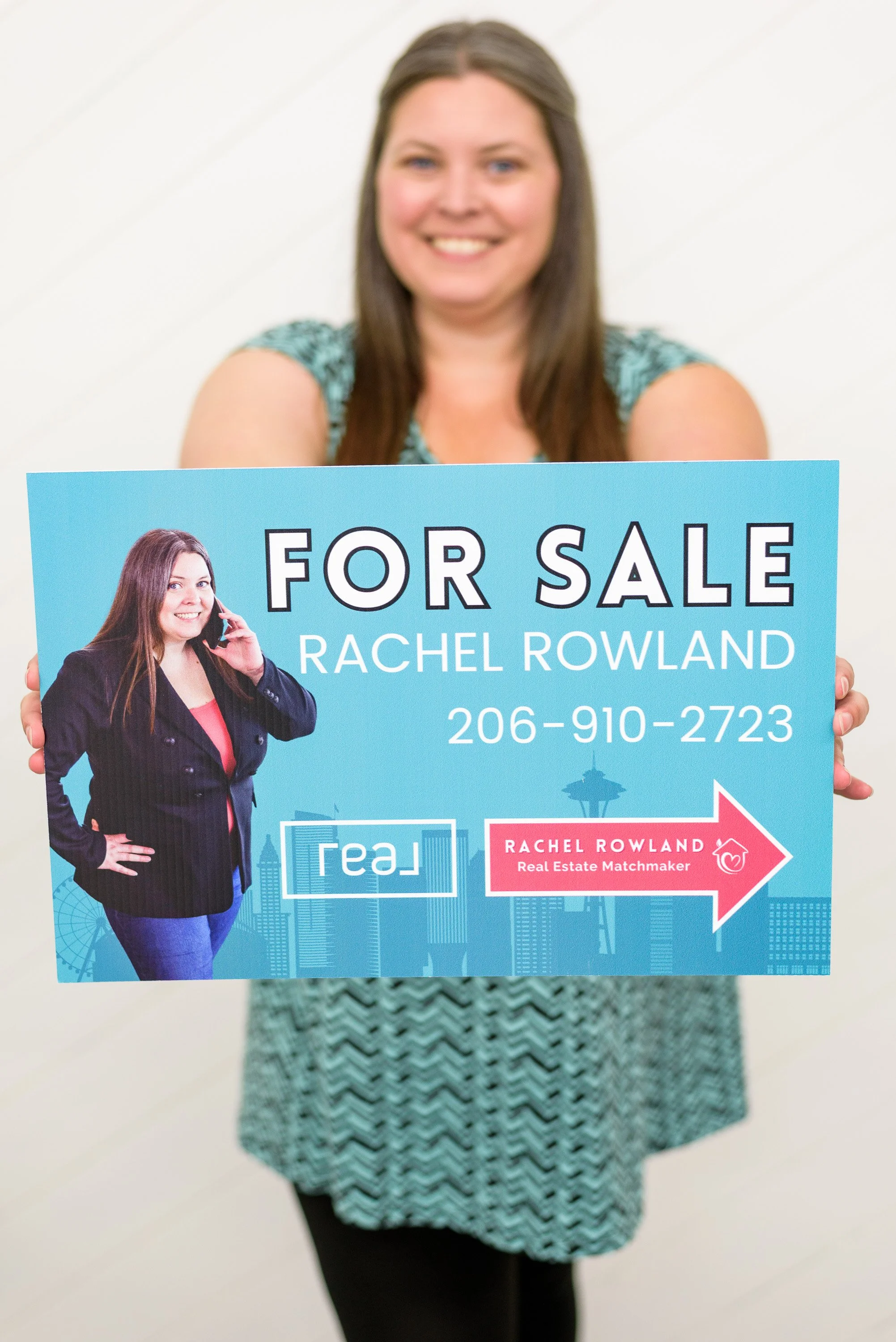
By Rachel Rowland - Realtor & Founder of Eastside and SnoCo EntrepreneuHERs
Let me guess…You started a business because you had an amazing idea, because the burnout from your previous career had become too much, or just because you wanted to? Yeah, same. For all of us EntrepreneuHERs. Same.
After nearly 4 years of leadership amongst women-owned businesses across King and Snohomish Counties, I have heard it all. However, the most common themes I see amongst solopreneurs in my orbit are the following:
1) Late-in-life ADHD diagnosis - which explains a lot about the difficulties of working for someone else!
2) Laid off from the tech industry or burned out from corporate.
3) Have a passion, but no idea where to start.
4) Entrepreneurship is lonely - friends don’t get it, and the majority of work is done alone from home.
5) Complete lack of an exit strategy.
It’s this last one that is our focus today.
I assume you want to retire someday? Cool, me too! So, here is my challenge for you: Build your business with expansion and selling in mind from Day 1.
Guess who wants to buy Rachel Rowland Real Estate? No one, that’s who. Unless another Rachel Rowland is working as a realtor who I don’t know about. But that puts my buyer pool at approximately 1, and that’s only if I’m lucky. Even adding people to a team as an extra source of income isn’t going to be a long-term fix. Why? Because as soon as they have enough of a client base of their own, my teammates are going to bounce so they can put their own name and logo on their marketing, instead of mine.
Solution: Rebrand with a new team name - Rain City Roots. Coming soon!
Now, my business becomes sellable to any real estate broker in Greater Seattle. Much better!
Businesses generally sell for a multiplier of their net annual earnings. Let’s say yours can sell for 2x your income and you net $50k/year. Awesome, you can sell for $100k! That’s not pocket change! So why aren’t you planning for an eventual sale from the moment you start? Or maybe you want to sell licenses for additional locations, or franchise. There are so many options for business owners to earn additional income as they expand, as well as when they are ready to pass the baton. Here’s what I’m doing to boost mine now…
Additional Sources of Income Beyond My Commissions:
Referrals to agents in other states. I research, interview, and connect clients to the right fit for their needs. I have the connections and know the right questions to ask, so it’s great for the client. And in exchange, the other agent pays me a 25% referral fee directly from their commission, not from the client.
My “downline.” At Real (the brokerage where I hang my license), I get a small percentage of the commissions from anyone I refer to the company. It’s a maximum of $4,000 per year per person. This comes from their cut to the company, not additional out-of-pocket costs for the agent. Interested in joining Real? Click here.
As a former teacher, I jumped on the chance to be listed as a mentor for new agents at Real in Washington State. In exchange for training and mentorship, I charge 30% of their first 3 commissions and then nothing beyond that. I don’t make money unless they make money. Many brokerages charge monthly fees for marketing or training, and teams charge even more.
Team members pay me a portion of each commission for access to the team, starting at 10% depending on what they would like included. Most teams charge 50%, and the broker has to pay their split to the company too. Newer agents on teams are often pocketing as little as 30% of their overall commission and still owe taxes from that. By charging a lower fee and allowing more autonomy, I am encouraging team members to stay, rather than build their client database and then leave.
Rental income from my own investment properties. Let me tell you, not all of them have been profitable! But owning real estate has built the bulk of my net worth, and for that I am very grateful.
Assets to Boost Your Sale Price:
Functioning website with traffic.
Domain name and email addresses.
Social Media accounts with followers and engagement.
Contact List - emails, mailing addresses, phone numbers - as much as you can provide
SOPs
Google My Business with reviews
And more!
Things to do as You Build:
Write out your SOPs (Standard Operating Procedures) - This is your owner’s manual, the directions for your successor. These are easier to prepare as you go, rather than trying to remember everything years later. Your SOPs also become an asset, adding to the value of your business if you were to sell.
Select a target audience and market to them. This will lead to more conversions and ultimately less time devoted to more business.
Choose a name that can expand to other people and/or areas, but still describes what you do. Before finalizing, Google it and look for accounts with similar names on Instagram. If 12 accounts pop up, add a variation to make yours different. You want people to be able to find you and you alone.
Put your location in your Instagram Bio. For the love of all things holy! If I want to visit an Italian restaurant or hire a landscaper, but the account I open could be in Indiana, I’m out. I’m not hunting around to see where you’re located, and your other potential clients won’t either. The only exception is if you serve clients nationwide remotely. If you ever offer in-person workshops or vend at local markets, you still need to list a location.
When I took over as sole owner of Eastside EntrepreneuHERs, I had to start the business essentially from scratch even though we had been around for 2 and a half years. Reason being we had been operating as a DBA under my co-founder’s business license. Since I had the opportunity to start fresh, I established EntrepreneuHERs LLC with Eastside EntrepreneuHERs as a DBA. Now, as I launch SnoCo EntrepreneuHERs, it’s again a DBA under the same license. Choosing to leave the location out of the name allows me to open as many chapters as I want, all under the same business. I can also license the assets I have created, like the website, lesson plans, social media templates, etc. to others to launch groups in other places. And having two fully operating chapters allows me to sell for double or triple what I could have with the single group. I also buy the domain name for each group, just in case I want to sell those as an asset.
Over the years, I have seen so many amazing business ideas and assets dissipate into nothingness when the founder decides they are ready to move on. I challenge you to, instead, use those opportunities to finance your next venture, whatever it may be. Sell, even if it’s not for much.
So, my friend, what is one thing you can do to make your business sellable whenever the time comes?
If you need connections to a business broker or franchise broker, just ask! As a Certified Real Estate Analyst, I am also happy to help you explore the world of real estate investing.
Rachel Rowland ~ 206-910-2723 ~ rachel@rachelrowlandrealestate.com